My research interests are integrative and interdisciplinary. I apply image analysis and pattern recognition techniques to medical images from a variety of modalities in an effort to extract the maximum quantifiable diagnostic and prognostic information from them. This has led me into work on osteoporosis, scoliosis, retinal diseases, breast cancer, arteriosclerosis, hepatocellular cancer, and even the removal of tattoos and unwanted hair by laser light. I have also written papers on CT, SPECT and MRI imaging.
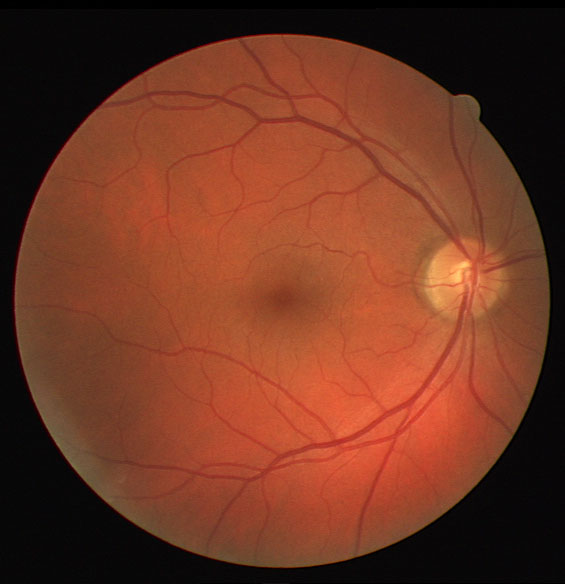
Increasing vessel curvature or tortuosity is a risk factor in the development of atherosclerosis: and the tortuosity of the iliac arteries is a factor in deciding on endoluminal repair of abdominal aortic aneurysms. In two seminal papers, I proposed robust metrics for the quantitative measurement of three-dimensional tortuosity (integrated curvature) using approximate piece-wise spline fitting to data balls centered along the mid-line axis of the vessel. The metrics have been used to discriminate between different retinal pathologies on the basis of the tortuosity of retinal vessels; Results were presented at S.P.I.E. Medical Imaging conferences, and papers published in various journals. A recent paper demonstrated the utility of tortuosity as an indicator of the severity of diabetic retinopathy. I have also shown how the method can be applied to the diagnosis and treatment of spinal deformity.
The potential of quantitative texture measures to discriminate between normal and abnormal status in medical imaging has long been recognized. I have investigated the clinical applicability of a number of computationally tractable texture indices with a view to identifying the most discriminating for diagnosing compromised bone quality in osteoporosis. I published several papers detailing the usefulness of the fractal signature and lacunarity plots in characterizing bone architecture, and I extended the interpretation of lacunarity. A recent paper studied the clinical utility of these methods in the diagnosis of osteoporosis and estimation of the individual bone fracture risk. Earlier data collected in Kuwait on bone mineral density measurements was included in a database for ethnic Arabs by Lunar, the leading manufacturer of x-ray DEXA equipment.
My Fulbright experiences in Indonesia have resulted in many new collaborations, including work on the automated measurement of CT dose, improved noise reduction and filtering strategies, and the automated classification of covid-19 images.